
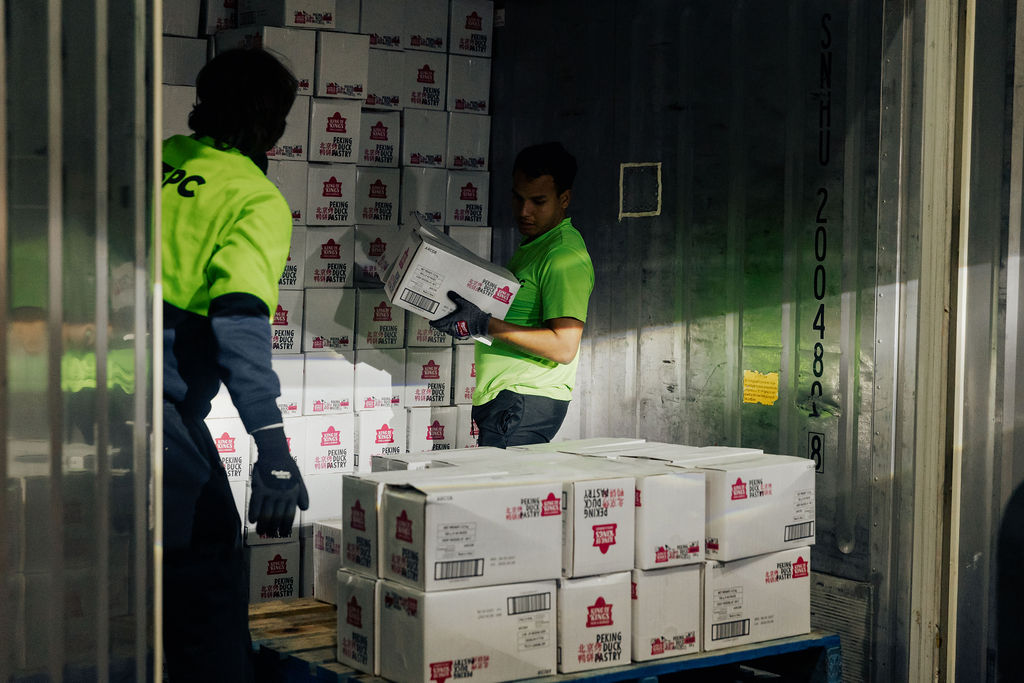
What Is a Cold Storage Warehouse?
Types, Requirements & Benefits
Cold storage isn’t a niche bit of warehousing. If your brand sells fresh produce, frozen meals, dairy, seafood, ice cream or temperature-sensitive pharmaceuticals, it’s the part of your supply chain that decides whether your product reaches the shelf in the condition it left the factory. A cold storage warehouse is the building block of that chain. When you get it right, your product holds its quality, your shrinkage stays low and your customers stay happy. But get it wrong, and you’re paying for spoilage you can’t recover, fielding calls from retailers about rejected deliveries, and watching margin disappear into write-offs.
The trouble is that cold storage covers a wide span of facilities, temperatures and capabilities, and the differences are more important than many brands realise until something goes wrong. A chilled room set up for fresh produce isn’t doing the same job as a frozen store built for ice cream. A site that can blast freeze isn’t necessarily a site that can thaw. And a provider that can hold your pallets isn’t necessarily a provider that can run your wider cold storage logistics.
What a Cold Storage Warehouse Does
A cold storage warehouse is a purpose-built facility that holds perishable and temperature-sensitive goods at controlled temperatures. But its purpose isn’t only to keep things cold. It’s to hold a stable, monitored environment that protects product quality from the moment it arrives to the moment it leaves.
That covers chilled goods like fresh dairy, deli meats and produce. It also covers frozen goods like ice cream, seafood and ready meals. And in many cases, it covers ambient stock too, because most food and FMCG brands want one partner who can handle the lot.
A good operator does more than store your product. They receive, pick, pack, repack, label, thaw, freeze and despatch under temperature control, with full traceability for every pallet that moves through the building.
Types of Cold Storage Facilities
Never assume that all refrigerated warehouses do the same job. The right type depends on what you’re storing, how long it sits with the provider, and what must happen to the product before it leaves.
Chilled Warehousing
Chilled rooms hold product above freezing, typically between 0°C and 54°C. Fresh dairy, fruit and vegetables, meat, fish and chilled ready meals go here. The challenge is holding a steady temperature when dock doors open and product moves in and out throughout the day.
Frozen Warehousing
Frozen storage runs at -18°C or colder. Ice cream, frozen seafood, frozen vegetables and frozen meals belong here. Frozen rooms have heavier insulation, dedicated refrigeration plant and stricter rules on how long doors can stay open during loading.
Blast Freezing and Thaw Rooms
Some products need to be frozen fast after production. Others need to be thawed in controlled conditions before repacking. Blast freezers bring product down to frozen temperatures quickly to lock in quality. Thaw rooms do the opposite, holding product at a steady temperature so it defrosts evenly without damage. Both are specialist capabilities you won’t find in every cold storage facility.
Multi-Temperature Sites
Multi-temperature warehouses combine chilled, frozen and ambient zones in one building. For an FMCG brand with a mixed range, that means one supplier, one pick, one despatch process and one invoice. It’s the model Pakval runs across most of our warehousing sites.
Cold Storage Temperature Ranges
Cold storage temperature isn’t a single number. It’s a set of bands matched to different product categories. As a rough guide:
- Pharmaceutical chilled: 2°C to 8°C
- Confectionary: 12°C to 18°C
- Fresh produce, dairy and deli: 0°C to 45°C
- Chilled meat and seafood: -1°C to 2°C
- Standard frozen: -18°C or colder
- Ice cream and long-hold frozen: -25°C or colder
The exact target depends on the product specification, the regulator and any retailer requirements. A good provider holds the band you need, logs it continuously and alerts their team the moment something deviates from the required range.
Requirements for a Cold Storage Warehouse
The requirements for a cold storage warehouse go well beyond putting a freezer in a shed. A properly run facility must deliver on several fronts at once.
Refrigeration and Insulation
Refrigeration plant must be sized for the load, backed up against failure and serviced on a strict schedule. Insulation, dock seals, rapid-action doors and air curtains all work together to keep cold air in and warm air out. Cutting corners on any of these will become obvious later when you’re sitting with temperature excursions and product loss.
Food Safety and Compliance
In Australia, refrigerated storage for food must meet HACCP principles and the relevant state and federal food safety codes. Pharmaceutical product adds TGA obligations on top. Major retailers add their own audit standards. A compliant cold store keeps the documentation, training records and cleaning schedules to prove every claim.
Handling and Trained Staff
Cold work is hard work. Pickers and forklift operators need the right PPE, the right shift patterns and proper training in how product is handled inside temperature-controlled warehousing. Damaged packaging, broken cold chains during picking and rough handling of frozen pallets nearly always trace back to staff capability and supervision.
Technology and Traceability
A warehouse management system that tracks batch, date and temperature against every pallet is essential. Your customers want full traceability. Retailers want DIFOT reporting. Regulators want recall capability. The technology must support all three at once, and it must talk to your ERP without daily intervention.
Benefits for Food, Beverage and FMCG Brands
Using a third-party cold store instead of running your own gives you a few practical benefits.
- You turn a heavy fixed cost into a variable one. Refrigeration plant, compliance overhead and trained staff are all the provider’s responsibility. You pay for the pallets you store and the work you need.
- You get capacity you can flex. Seasonal peaks, promotional spikes and new product launches don’t force you to build extra cold storage capacity that sits half-empty in quieter months.
- You get access to specialist capability. Blast freezing, thaw rooms, repack lines and multi-temperature picking are expensive to build in-house. A specialist provider runs them across many clients, which is why the unit economics work.
- You get a partner who works with cold storage logistics every day. Fewer surprises. Faster fixes when something does go wrong. And a team that already knows what your retailers expect at the dock.
Where Cold Storage Logistics Fits Into Your Supply Chain
Cold storage isn’t an isolated part of your business. It connects to inbound freight, repack and thaw work, last-mile delivery and often international logistics too. The strongest supply chains treat storage and movement as one job, run by one partner, against one set of KPIs. That’s how you avoid the handover gaps where temperature breaches and paperwork errors creep in.
If you’re moving food, beverage or FMCG product across Australia and your current setup is a patchwork of providers, it’s worth a conversation about what a single cold storage logistics partner could do for you.
Speak to our team about your cold storage and supply chain needs.
Frequently Asked Questions
How long can product stay in a cold storage warehouse before quality drops?
It depends on the product, packaging and temperature band. Frozen seafood at -18°C can hold for months, while fresh produce at 2°C may only have a workable shelf life of one to two weeks. Your provider should be able to give you product-specific guidance based on supplier specifications.
What's the difference between a cold store and a cool room?
A cool room is usually a small, single-zone space attached to a kitchen, retail site or production area, used for short-term holding. A cold store is a much larger commercial facility built for high pallet volumes, longer holds and integration with transport and order fulfilment.
Can a cold store keep organic, halal or allergen-segregated stock separate from other product?
Yes, but you need to confirm it up front. Segregation requires dedicated zones, separate pick paths and staff trained in cross-contamination controls. Ask any provider to walk you through their certifications and how segregation is recorded in their warehouse management system.