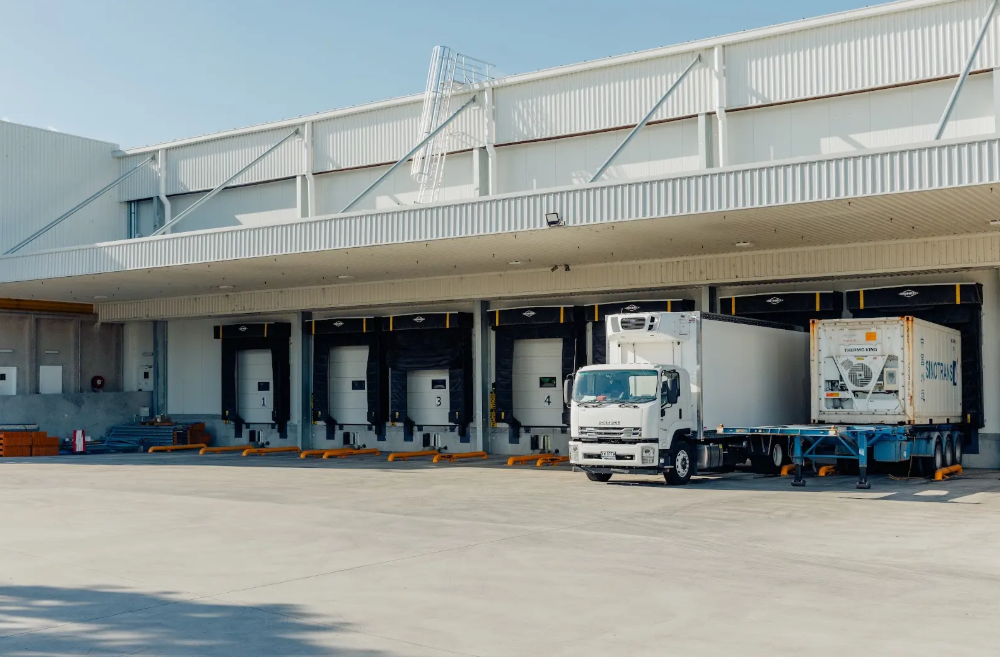
Freight forwarding, customs clearance and inbound handling for food, beverage and FMCG brands importing into Australia. FCL, LCL and air freight coordinated from supplier pickup through to warehouse receipt.
Pakval’s international logistics services move your product from an overseas supplier’s dock into an Australian warehouse ready for pick and pack. We book the vessel, coordinate the freight, clear it through customs, manage the AQIS (Australian Quarantine and Inspection Service) requirements and receive it into the same facility that stores your stock.
For food and FMCG importers, the risk is in the handoffs. A container held at the wharf because paperwork was missing. A quarantine inspection scheduled the day after the truck was booked. A shipment that arrives at a warehouse the receiver wasn’t expecting. Combining international logistics services with warehousing at the other end, we take those handoffs off your plate.
Whether you’re bringing in a single LCL consolidation each quarter or running daily FCL shipments across multiple SKUs, the same team handles the freight, the compliance and the inbound.

International freight logistics with Pakval covers three connected stages: supplier to port, port to port, and port to warehouse. Each stage runs off the same shipment file, so nothing is rebuilt from scratch when the container changes hands.
The process starts with a pickup at the supplier’s location and finishes when the stock is booked into your inventory at a Pakval facility. Customs entries, quarantine bookings and warehouse receipt sit on one shared system, so the same reference number follows the shipment from origin to storage.
For temperature-sensitive product, the freight mode and route are selected against the cold chain requirement. Frozen and chilled cargo is booked onto reefer containers with monitored setpoints. Ambient product is sent via direct or transhipment routes balancing lead times with cost.
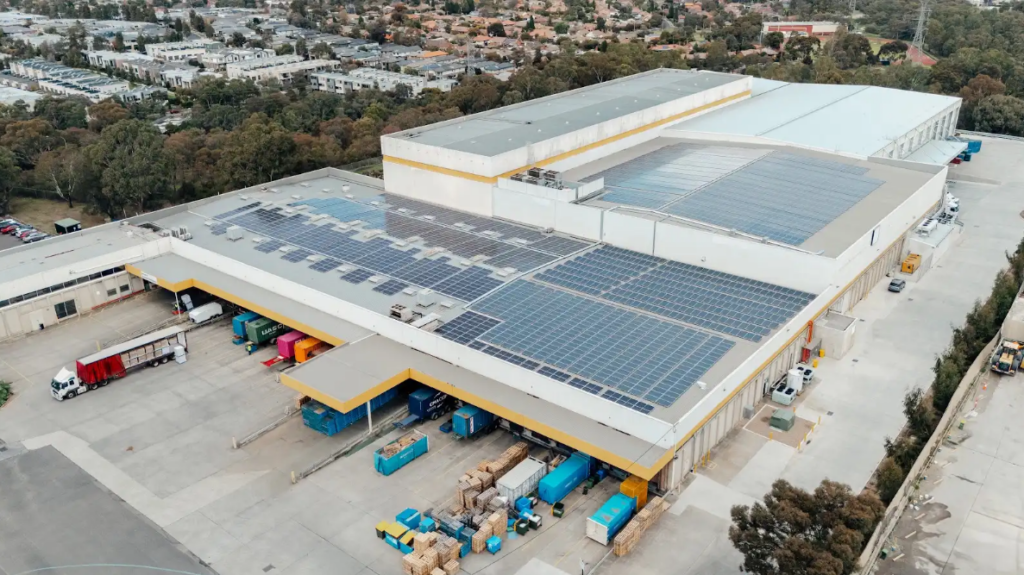

Origin-side coordination to get your product from the supplier onto a vessel or aircraft.
Getting the origin paperwork right saves days at the destination. We check the commercial invoice, packing list and certificates before the shipment leaves.

Sea and air freight coordinated to suit the shipment size, urgency and product type.
An FCL shipment gives you the container to yourself, which suits full pallet loads, temperature-controlled cargo and shipments where you’d rather not share space with someone else’s freight. LCL suits smaller volumes where paying for a full container doesn’t add up.

Destination-side clearance and inbound handling into a Pakval warehouse.
The last mile of an import is where a lot of importers lose time. If the shipment comes into a Pakval warehouse, the receipt paperwork is already in the system before the container arrives at the yard.
The LCL vs FCL decision comes down to volume, product type and how much control you want over the container.
Full container load shipping is booked when a shipment fills, or nearly fills, a 20-foot or 40-foot container. It reduces per-unit freight cost at higher volumes, keeps your product isolated from other cargo, and gives you a direct move from origin to destination. For frozen and chilled FMCG, an FCL shipment on a reefer container is usually the only workable option because temperature setpoints can’t be shared.
LCL shipping suits smaller volumes, new product launches, or top-up orders between larger FCL shipments. Your cargo travels in a shared container, so freight cost scales to the space you actually use. Transit times can be longer because the container is consolidated and deconsolidated at each end, and the shipment has to wait for other importers’ cargo to clear too.
For most food and FMCG importers, the answer isn’t one or the other. It’s a mix, changed by season, promotion cycle and container availability. We plan the split with you rather than defaulting to whichever mode is easiest to book.
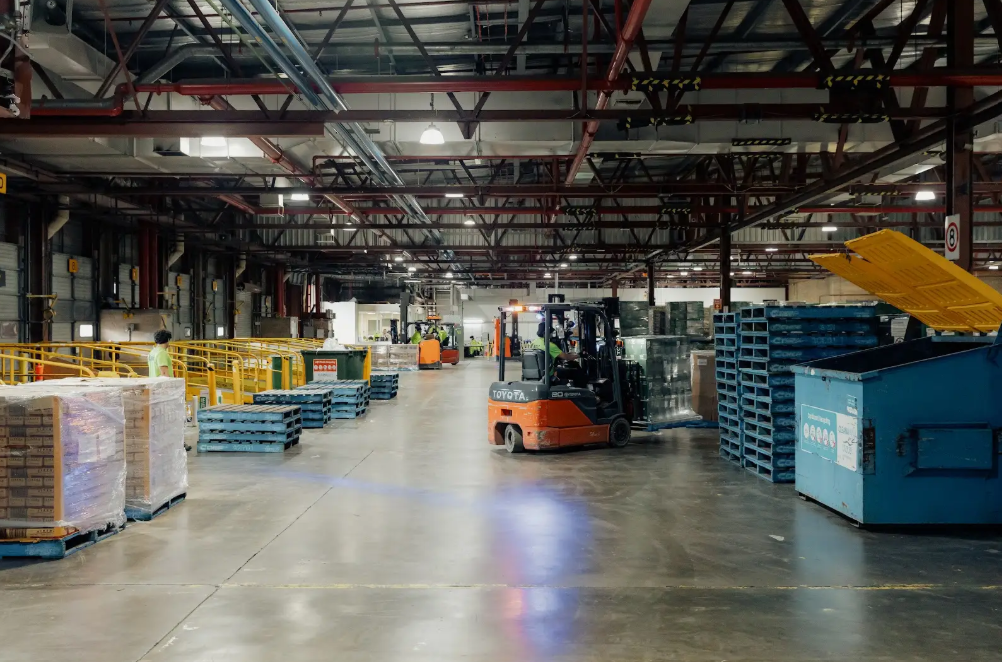
International logistics doesn’t finish at the port. Stock cleared through customs is transferred directly into Pakval warehousing, booked against the original purchase order and available for pick and pack once the receipt is confirmed.
That connection removes a common gap in imported product flow: the delay between clearance and warehouse receipt at a separate provider’s site. When customs, transport and warehouse sit under one operation, the container gets unpacked into inventory the same day it arrives.
For brands running repack, relabelling or Australian compliance work on imported product, that work happens at the same facility. Imported cases go from container to repack line to dispatch without leaving the site.
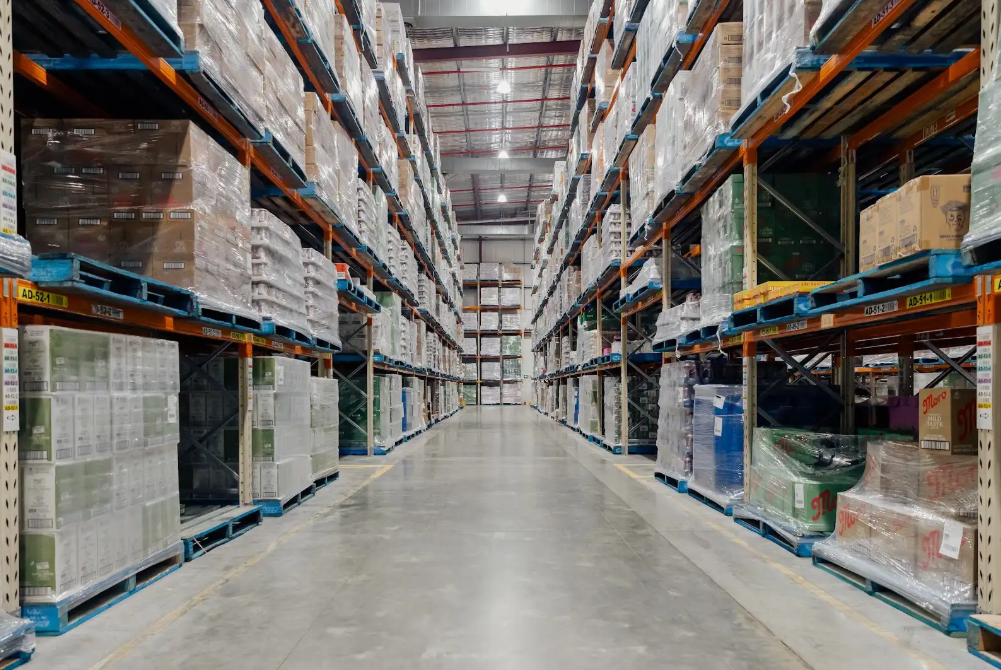
If you’re importing food, beverage or FMCG product into Australia and want the freight, clearance and warehouse receipt handled by one team, tell us what you’re bringing in. We’ll talk through your origin countries, product type, volumes and current pain points, and come back with a proposal.
Contact us to talk through your supply chain needs.