
What Is Frozen Thaw Back?
Customers Are Choosing Thawed Over Fresh
If you work with wholesale frozen food, you’ve probably noticed a shift on retailer shelves and foodservice menus. A lot of the “fresh” chilled product landing in front of customers didn’t start life chilled. It started frozen, then came back up to a chilled state under controlled conditions before it hit the case, the tray, or the plate. That’s frozen thaw back, and it’s fast becoming a core capability for frozen food suppliers who want more flexibility in how they take product to market.
It’s a small piece of the cold chain that does a lot of quiet work. Done well, it gives brands longer runway on production, cuts waste and opens up chilled formats that would be commercially unworkable if the product had to move fresh from day one. But if it is poorly managed, it wrecks texture, blows out shelf life, and puts food safety at risk.
Here’s how it works, which products suit it, and why more manufacturers, retailers and foodservice buyers are leaning into it.
What is Frozen Thaw Back?
Frozen thaw back is the controlled process of raising frozen product back up to chilled temperatures so it can be sold, served, or further processed as a chilled item. The product might have been frozen at manufacture, frozen for storage, or frozen for transport. Either way, the destination is a chilled format with a fresh shelf life clock.
The process happens in a dedicated thaw chamber inside a temperature-controlled warehouse. Temperature, humidity and airflow are all managed against a defined program for the product type. A slab of beef thaws differently to a tray of lasagne, and both thaw differently to a filet of salmon . The chamber settings and the time on the clock change accordingly.
The output is chilled product, ready to be repacked, relabelled with new best before dates, and dispatched to a retail DC or food service customer.
How Frozen Thaw Back Works in a Cold Store
The mechanics look simple from the outside. You move a pallet from a freezer holding around -20°C or colder into a chamber set to bring the core temperature up to somewhere between 0°C and 4°C. But in practice, there are a lot of moving parts that have to line up.
Tempering vs Full Thaw to Chilled
Not every thaw goes all the way. Tempering brings frozen product up to a workable temperature for further processing, often just below zero. That’s common for meat destined to be portioned, minced or cooked. A full thaw to chilled takes the product all the way through to a stable chilled state, ready for retail sale or plating.
The two sound similar, but they’re planned and priced differently in a warehouse.
The Controls That Separate a Proper Thaw Back From a Warm Room
A few things stand between a proper thaw back and a fridge with the door propped open:
- Core temperature monitoring on representative pallets, not just chamber air temperature.
- Humidity control to protect surface quality and reduce drip loss.
- Airflow patterns that thaw the pallet evenly rather than warming the outside cartons first.
- Batch records that document time, temperature and traceability against HACCP requirements.
- Shelf life recalculation and relabelling before dispatch.
Miss any of those and you get quality complaints, food safety exposure, or both.
Which Frozen Food Products Suit Thaw Back?
Not every product is a candidate. The lines that work well tend to share a few traits: a structure that holds up through the freeze and thaw, a supply chain reason to sit frozen for a stretch, and a commercial reason to land chilled.
Categories where thaw back is common in Australia include:
- Beef, lamb, pork and poultry, whole cuts and portions
- Seafood, particularly prawns, salmon portions and whitefish fillets
- Bakery ingredients and part-baked bread, dough and pastry
- Chilled ready meals that ship frozen for shelf life reasons
- Some fruit and vegetable lines destined for foodservice prep
Fresh salads, some dairy products and delicate herbs generally don’t work. The cell structure doesn’t survive the round trip.
Why the Thawed-Over-Fresh Shift Is Happening
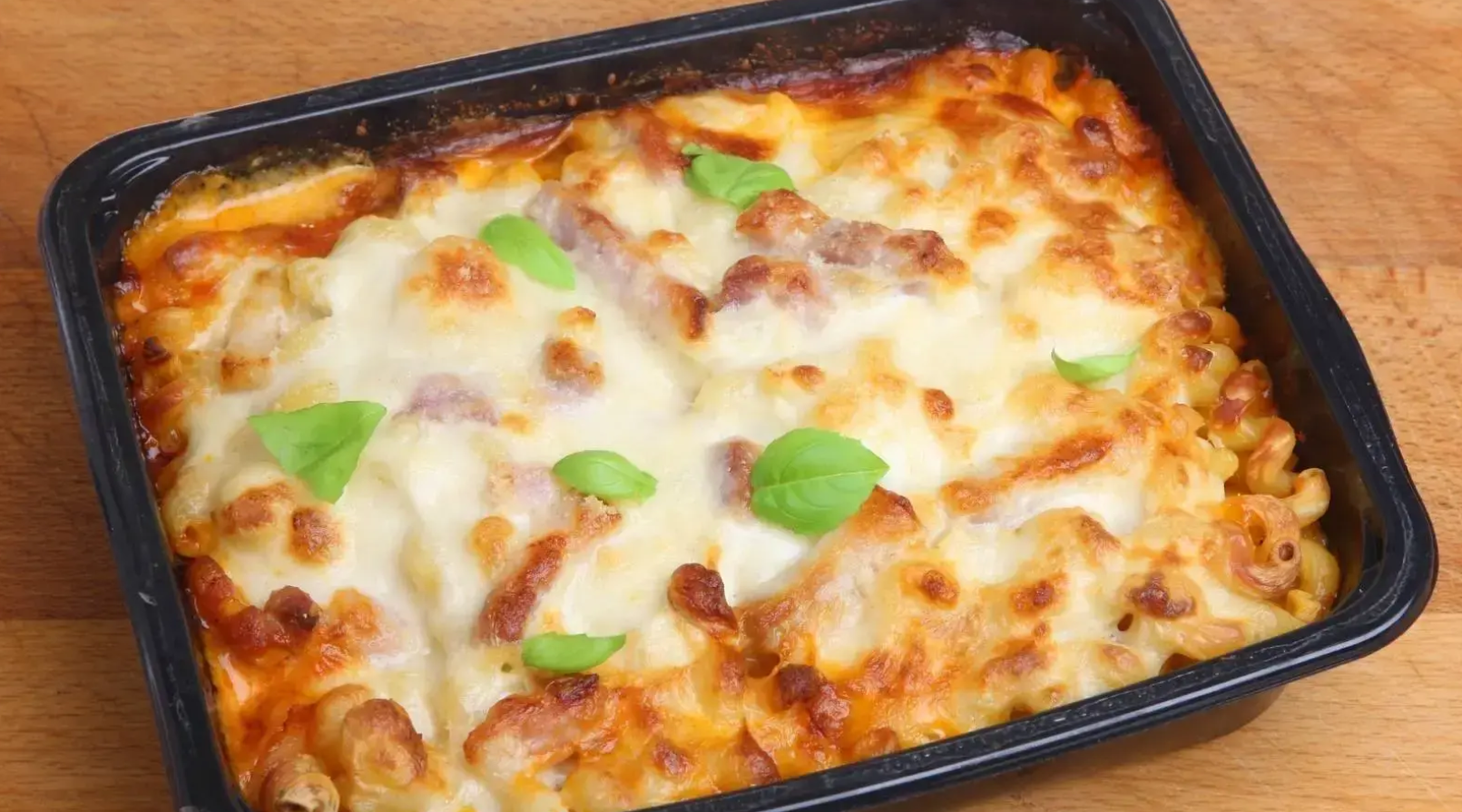
The clearest example of this shift shows up in chilled ready meals, which continue to show growth. A good share of what sits in the chilled aisle is thaw-back product.
The reason is straightforward. Making a chilled ready meal is expensive, batch runs are big, and demand can swing hard week to week. Producing to a chilled shelf life alone forces manufacturers to run tight, short batches with high waste risk. Producing frozen and thawing to chilled closer to the point of sale gives brands a buffer without changing what the shopper picks up.
The same logic applies further up the chain. Marinated proteins, portioned fish, filled pasta and other prepared lines follow the same pattern. The consumer wants a chilled product. The economics want a frozen production and holding window. Thaw back bridges the two.
Benefits for Frozen Food Manufacturers and Suppliers
If you sit on the supply side, the pitch for thaw back is commercial before it’s technical.
You get longer production runs. You can build stock ahead of a promotion, a seasonal peak or a retailer range review without gambling on chilled shelf life. You reduce short-dated waste at the factory because you’re not producing to a 14-day chilled clock. Imported bulk frozen foods can be brought in at scale, held, and released into chilled formats as orders come in.
You also get more flexibility on channel. The same frozen SKU can be released as a frozen line for one customer and thawed to chilled for another. That’s a real advantage when frozen food manufacturers are selling into supermarkets, independents and foodservice at the same time, and each channel wants a different format.
For smaller frozen food suppliers, the model can open up conversations with retailers that would otherwise be closed. A brand that couldn’t service a chilled range on its own can partner with a 3PL running a thaw-back program and enter the chilled aisle without building the capability in-house.
Why Retailers and Frozen Food Distributors Are Expanding Thawed Ranges
On the buy side, retailers and frozen food distributors are widening their thawed ranges for a few connected reasons.
Availability is the first. A thaw-back program means the DC can be topped up from frozen inventory rather than waiting on a fresh production window. That helps with out-of-stocks on high-velocity lines and cushions supply shocks upstream.
Waste is the second. A retailer running a chilled ready meals range from thaw back can call in stock against actual sell-through rather than forecasting weeks out. Less overproduction. Fewer markdowns. Less product in the bin at end of day.
Range depth is the third. Foodservice operators can carry a wider list of prepared lines and portioned proteins without holding chilled stock of every SKU. The freezer does the holding. The thaw chamber pushes chilled product out on demand.
What To Look For in a Wholesale Frozen Food Partner
If you’re evaluating warehousing and 3PL options for a wholesale frozen food program that includes thaw back, a few things are worth pressing on.
Ask how thaw cycles are scheduled against your production and order patterns. If your peak sell-in is a Tuesday, the chamber needs to have the pallet ready to leave chilled on Monday afternoon, not still coming up to temperature.
Ask about traceability. You want batch-level records for every thaw cycle, tied to the pallet, tied to the outbound order.
Ask about the wider service. A partner that also handles repack, relabelling and delivery gives you a single handoff from frozen bulk to chilled retail-ready. That’s usually where the commercial gain shows up: fewer touches, cleaner paperwork, one accountable operator.
Pakval runs multi-temperature warehousing, repack and thaw, and delivery across Melbourne, Sydney, Brisbane and Adelaide. If you’re building or reshaping a program that leans on thaw back, we can walk you through what the setup would look like for your product.
Frequently Asked Questions
How long does a full thaw-back cycle usually take?
It depends on the product, packaging and pallet configuration, but a full thaw to chilled on protein typically runs 24 to 72 hours. Denser cartons and larger cuts sit at the longer end. The schedule should be built back from the outbound dispatch date, not the day the pallet moves into the chamber.
Can thaw-back product be refrozen?
No. Once product has been through a controlled thaw to chilled, it carries a chilled shelf life and needs to move through the cold chain and to the consumer in that state. Refreezing raises food safety and quality issues and is not standard practice in a regulated program.
Is thaw-back product labelled as previously frozen at retail?
Labelling requirements depend on the product category and the retailer’s own policy under Australian food standards. Some categories require a “previously frozen” declaration on pack, others don’t. Your labelling brief should be locked in with your supplier and retailer before the first thaw cycle runs.